All speciesThe frog-like delicacy

Spanner Crab

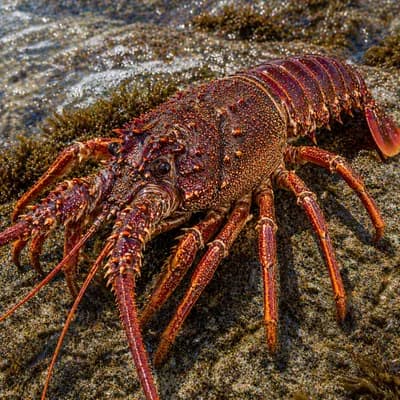
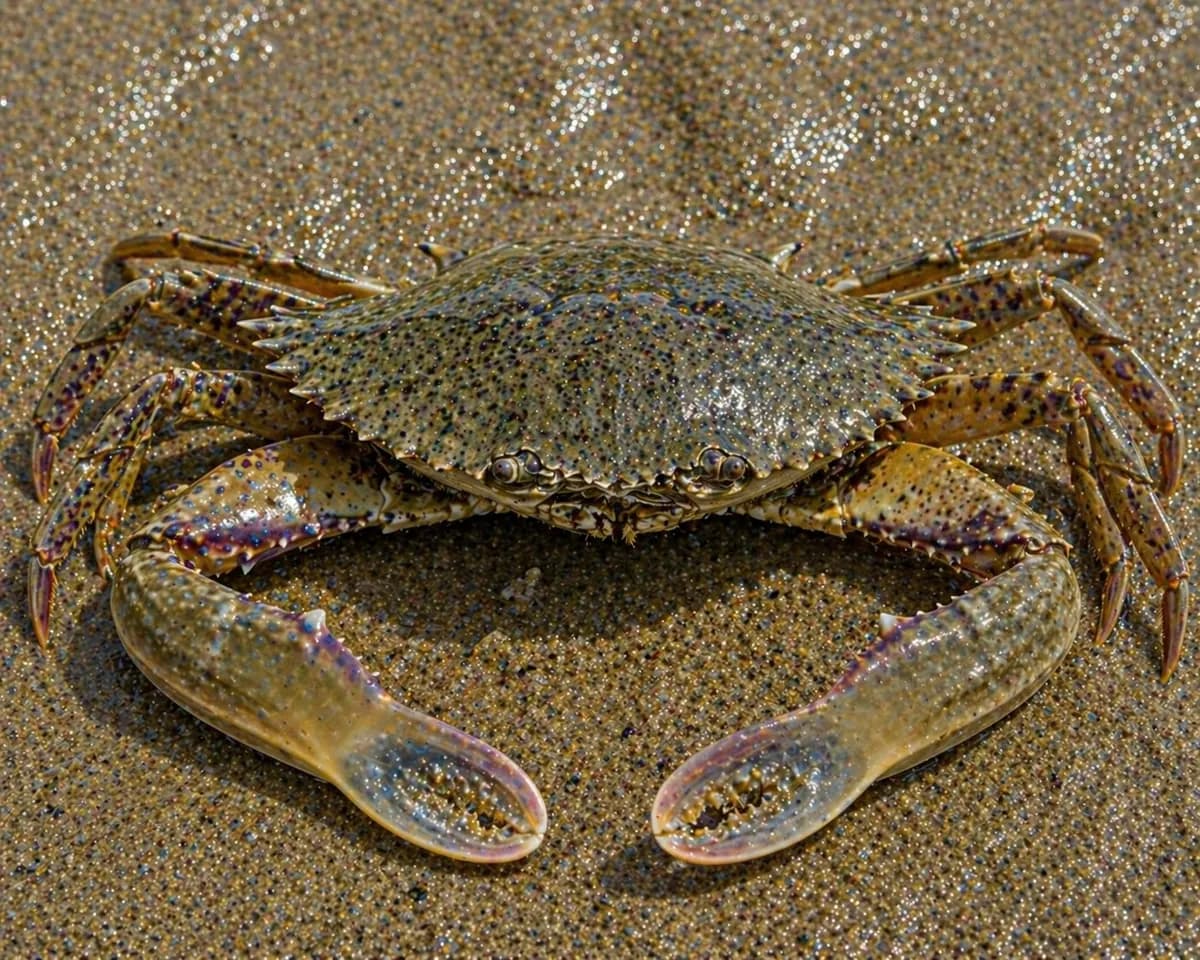
Bright orange, frog-shaped, and astonishingly sweet — Australia's spanner crab fishery (mainly QLD and NSW) is MSC-certified and globally unique.

Ranina ranina
Flavour: Light, sweet, almost lobster-like — fine, delicate flesh
Sustainable· SAFS 2024
Spanner Crab (Ranina ranina)

Four reasons to choose local

Health

  • Premium clean protein with strong B12 and zinc
  • Wild, no farming exposure
  • Caught alive — peak nutrient retention

Economy

  • Coffs Coast and southern QLD fleet specialty
  • Premium domestic market (Sydney, Melbourne)
  • Significant export to Asia

Environment

  • MSC-certified fishery
  • Net-caught with low impact
  • Stock-status reports show sustainable harvest

Taste

  • Considered Australia's most underrated crab
  • Sweet, almost lobster-like flesh
  • Distinctive orange shell makes for spectacular plating

Sourcing

Spanner Crab is exclusively wild-caught.

Where it comes from

Spanner Crab is most strongly associated with these 4 Australian regions:

How it's caught or grown

Production volume (last 5 years)

Total Australian annual production of Spanner Crab — wild-catch + aquaculture combined. Sourced from ABARES Australian Fisheries and Aquaculture Statistics.

Production volume (tonnes)Source: ABARES
20191,100202095020211,00020221,10020231,150
primary estimate

How it's managed

Quota:1,500tSize limit:100mm rostral length

Quota- and area-managed. MSC certified since 2016.

Nutrition (per 100g)

How Spanner Crab compares to imported equivalents on the headline nutrients consumers care about.

Protein20.2g17.6g
Selenium49µg32µg
Zinc4mg2.8mg
Omega-3 Fatty Acids420mg260mg
Vitamin B127µg4.8µg

Contaminants & price

Australian Spanner Crab compared to imported equivalents on mercury, antibiotic residues, and typical retail price. Unflagged metrics come from primary government sources (FSANZ, ABARES); synthesised numbers carry a visible tag.

Metric
Australian
Imported
Mercury (mg/kg)
0.04
0.06
Antibiotic residues
none
rare
Typical retail price (2026 Q1)editorial
$35–55/kg
$22–35/kg

From harvest to plate

Days-to-plate is one of the strongest arguments for buying Australian. Here's the typical timeline for Spanner Crab.

  1. Step 1
    Net haul (live)
    Day 0 days
  2. Step 2
    Onshore holding
    0–1 days
  3. Step 3
    Live export or domestic wholesale
    1–2 days
  4. Step 4
    Retail / restaurant
    2–3 days
  5. Total
    Total AUS days to plate (live)
    2–3 days

Seasonality

When to enjoy Spanner Crab at its peak.

Janavailable
Febgood
Marpeak
Aprpeak
Maypeak
Junpeak
Julpeak
Augpeak
Seppeak
Octpeak
Novgood
Decavailable
Peak Good Available Off-season

How to cook it

Four go-to preparations for Spanner Crab that respect the fish — short cooks, clean flavours, no over-doing it.

Steamed

Whole, 8 min, served with lemon and aioli.

Asian curry

Halved, coconut + galangal + lime leaf, 6 min.

Crab toast

Picked meat on toasted brioche with whipped butter and chives.

Spanner crab linguine

Garlic + chilli + parsley + olive oil — minimal interference.

Full recipe: Spanner Crab Linguine

Australian vs imported — at a glance

Australia's MSC-certified spanner crab vs imported crab products of variable origin.

Australia
Australian Spanner Crab
QLD / NSW
🇦🇺 Local
MSC certifiedYes
Catch methodNet (low impact)
Species verifiedAlways Ranina ranina
Live to plateYes
Price per kg~$45
Overall rating: Australian Spanner Crab scores 9.5/10 — MSC, niche, world-class.
vs
Various
Imported Crab Products
Various
MSC certifiedRare
Catch methodVariable
Species verifiedOften substituted
Live to plateRare
Price per kg~$30
Overall rating: Imported Crab scores 5.4/10 — origin and species often unverifiable.

Read the full comparison →

Look-alikes & how to tell them apart

Products often confused with or substituted for Australian Spanner Crab — and what to look for instead.

Imported generic crab products
Why confused: Sold under non-specific 'crab' branding.
How to tell: Genuine Australian Spanner Crab is a unique-looking species (Ranina ranina) — bright red, with paddle-shaped legs unlike any other Australian crab.

The risks of the imported version

Typically imported from: Generally not imported — Australia produces most of the global supply

  • Imported ‘spanner crab’ products are extremely rare and origin-uncertain
  • Most imported ‘crab meat’ tins are different species entirely

See the full case against imported seafood →

How to buy it

🔍
Look for:

Look for "Australian Spanner Crab" with MSC blue tick.

From 1 July 2026, every restaurant menu in Australia must show A (Australian), I (Imported), or M (Mixed) for each seafood dish. Read the law →

Key operators, co-ops & peak bodies

The businesses, co-operatives, and industry bodies behind Australian Spanner Crab.

Historical timeline

  1. 1998
    Quota system introduced for QLD spanner crab.
  2. 2016
    QLD Spanner Crab achieves MSC certification — one of few Australian crustacean MSC fisheries.

Sources for this page

  1. Western Rock Lobster MSC (2000) Marine Stewardship Council (2000)
  2. SAFS 2024 Fisheries Research and Development Corporation (2024)

Explore other Australian species

Scroll to browse. Each card links to a full species profile.