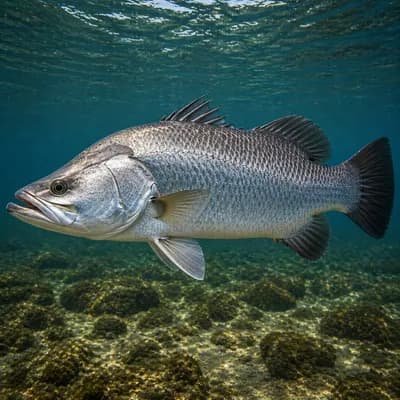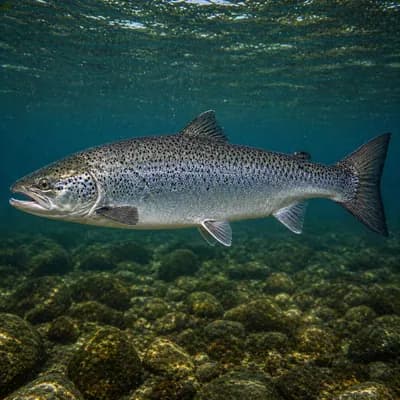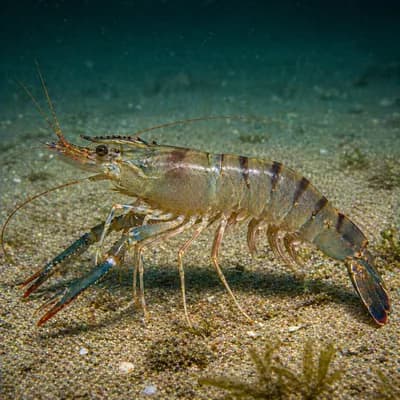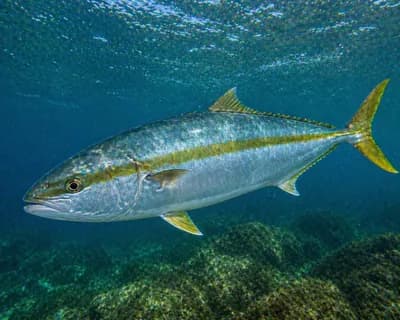
All speciesEast coast estuary classic

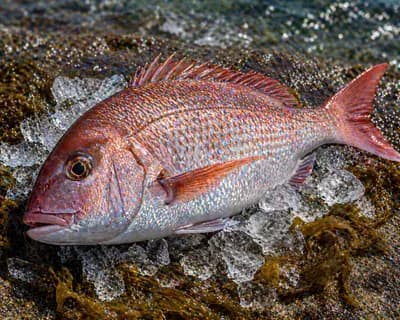
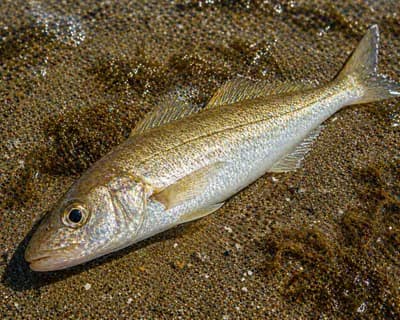
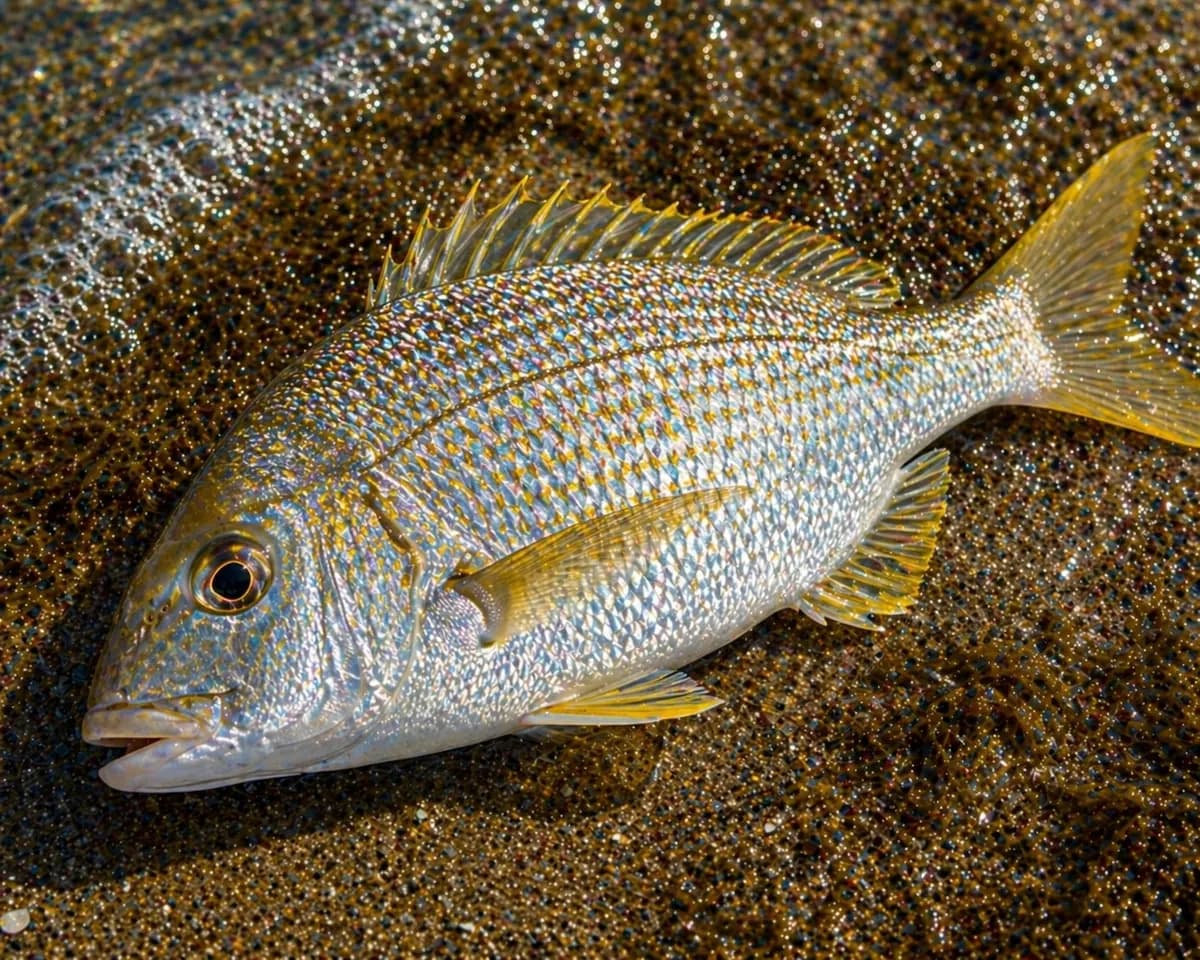
Yellowfin Bream

A fast, scrappy estuarine fish caught from southern QLD to eastern VIC. Bream is one of Australia's most popular recreational species and a quietly excellent table fish.

Acanthopagrus australis
Flavour: Sweet, mild, slightly nutty — crisp skin if cooked well
Sustainable· SAFS 2024
Yellowfin Bream (Acanthopagrus australis)

Four reasons to choose local

Health

  • Clean low-mercury species — safe for everyday eating
  • Estuarine wild stock with minimal contaminant exposure
  • Solid omega-3 for an “all-purpose” fish

Economy

  • Estuarine commercial fishery underpins NSW coastal towns
  • Major drawcard for recreational fishing tourism
  • Hawkesbury, Clyde, and Wallis Lake bream are regional brands

Environment

  • Bag and size limits protect spawning
  • Estuarine fisheries actively managed for habitat
  • Bream populations indicate estuarine health

Taste

  • Crisp skin when pan-fried correctly
  • Sweet, slightly nutty flesh
  • Classic whole-fish presentation

Sourcing

Yellowfin Bream is exclusively wild-caught.

Where it comes from

Yellowfin Bream is most strongly associated with these 5 Australian regions:

How it's caught or grown

Production volume (last 5 years)

Total Australian annual production of Yellowfin Bream — wild-catch + aquaculture combined. Sourced from ABARES Australian Fisheries and Aquaculture Statistics.

Production volume (tonnes)Source: ABARES
20196002020580202160020226202023640
primary estimate

How it's managed

Bag limit:10/day (NSW recreational)Size limit:25cm (NSW)

Nutrition (per 100g)

How Yellowfin Bream compares to imported equivalents on the headline nutrients consumers care about.

Protein21g18.5g
Omega-3 Fatty Acids540mg320mg
Selenium38µg26µg
Iodine30µg18µg
Vitamin B122.2µg1.6µg

Contaminants & price

Australian Yellowfin Bream compared to imported equivalents on mercury, antibiotic residues, and typical retail price. Unflagged metrics come from primary government sources (FSANZ, ABARES); synthesised numbers carry a visible tag.

Metric
Australian
Imported
Mercury (mg/kg)
0.05
0.1
Antibiotic residues
none
documented
Typical retail price (2026 Q1)editorial
$25–38/kg
$18–28/kg

From harvest to plate

Days-to-plate is one of the strongest arguments for buying Australian. Here's the typical timeline for Yellowfin Bream.

  1. Step 1
    Estuarine catch
    Day 0 days
  2. Step 2
    Onshore chill
    0–1 days
  3. Step 3
    Wholesale
    1–2 days
  4. Step 4
    Retail
    2–3 days
  5. Total
    Total AUS days to plate
    2–3 days

Seasonality

When to enjoy Yellowfin Bream at its peak.

Janavailable
Febgood
Marpeak
Aprpeak
Maypeak
Junpeak
Julpeak
Augpeak
Sepgood
Octgood
Novavailable
Decavailable
Peak Good Available Off-season

How to cook it

Four go-to preparations for Yellowfin Bream that respect the fish — short cooks, clean flavours, no over-doing it.

Whole BBQ

Scaled, scored, lemon stuffed inside, 8 min each side hot grill.

Pan-fry (skin on)

Hot pan, oil + butter, 4 min skin side, 1 min flesh.

Salt-baked

Bury in coarse salt, 200°C 25 min, crack the crust at the table.

Ceviche

Diced, lime + chilli + coriander 3 min, served immediately.

Full recipe: BBQ Whole Bream with Lemon & Herbs

Australian vs imported — at a glance

Wild estuarine Australian Yellowfin Bream vs Mediterranean / Asian sea bream — different species, different waters.

Australia
Australian Yellowfin Bream
NSW / QLD estuaries
🇦🇺 Local
Wild vs farmedWild estuarine
AntibioticsNone
Same species?Acanthopagrus australis
Days to plate2–3 days
Price per kg~$30
Overall rating: Australian Bream scores 8.6/10 — local, wild, and indistinguishable in flavour terms.
vs
Various
Imported Sea Bream
Mediterranean / Asia
Wild vs farmedPond / cage farmed
AntibioticsOften detected
Same species?Different sparid species
Days to plate10–14 days
Price per kg~$25
Overall rating: Imported Sea Bream scores 6.0/10 — different species, longer chain, farming concerns.

Read the full comparison →

Look-alikes & how to tell them apart

Products often confused with or substituted for Australian Yellowfin Bream — and what to look for instead.

Imported sea bream (Mediterranean/Asian)
Why confused: Different sparid species marketed under 'sea bream' label.
How to tell: Australian Yellowfin Bream is a distinct species (Acanthopagrus australis); imported sea bream is typically gilthead (Sparus aurata) or red porgy.

The risks of the imported version

Typically imported from: Imported ‘sea bream’ usually refers to gilt-head or Mediterranean species

  • Imported sea bream is a different species entirely
  • Often pond-farmed with antibiotics in some origins
  • Loses textural distinction during long transit

See the full case against imported seafood →

How to buy it

🔍
Look for:

Look for "Australian Yellowfin Bream" or "Black Bream" — origin matters for the flavour.

From 1 July 2026, every restaurant menu in Australia must show A (Australian), I (Imported), or M (Mixed) for each seafood dish. Read the law →

Key operators, co-ops & peak bodies

The businesses, co-operatives, and industry bodies behind Australian Yellowfin Bream.

Historical timeline

  1. 1980
    NSW estuarine fishery management formalised with mesh-size limits.
  2. 2010
    Habitat protection programs in NSW estuaries scale up.

Sources for this page

  1. SAFS 2024 Fisheries Research and Development Corporation (2024)

Explore other Australian species

Scroll to browse. Each card links to a full species profile.