All speciesReef royalty

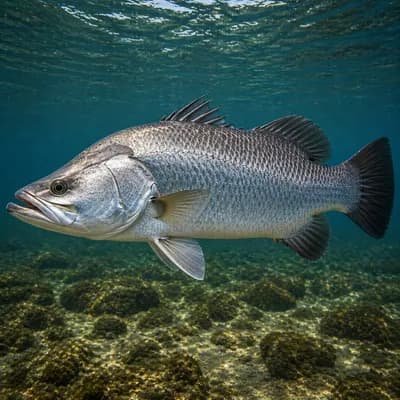
Coral Trout

The most prized reef fish in Australian waters — line-caught on the Great Barrier Reef. A staple of premium Asian export markets and high-end Australian restaurants.

Plectropomus leopardus
Flavour: Firm, white, sweet-mild — the premium reef fish
Sustainable· SAFS 2024
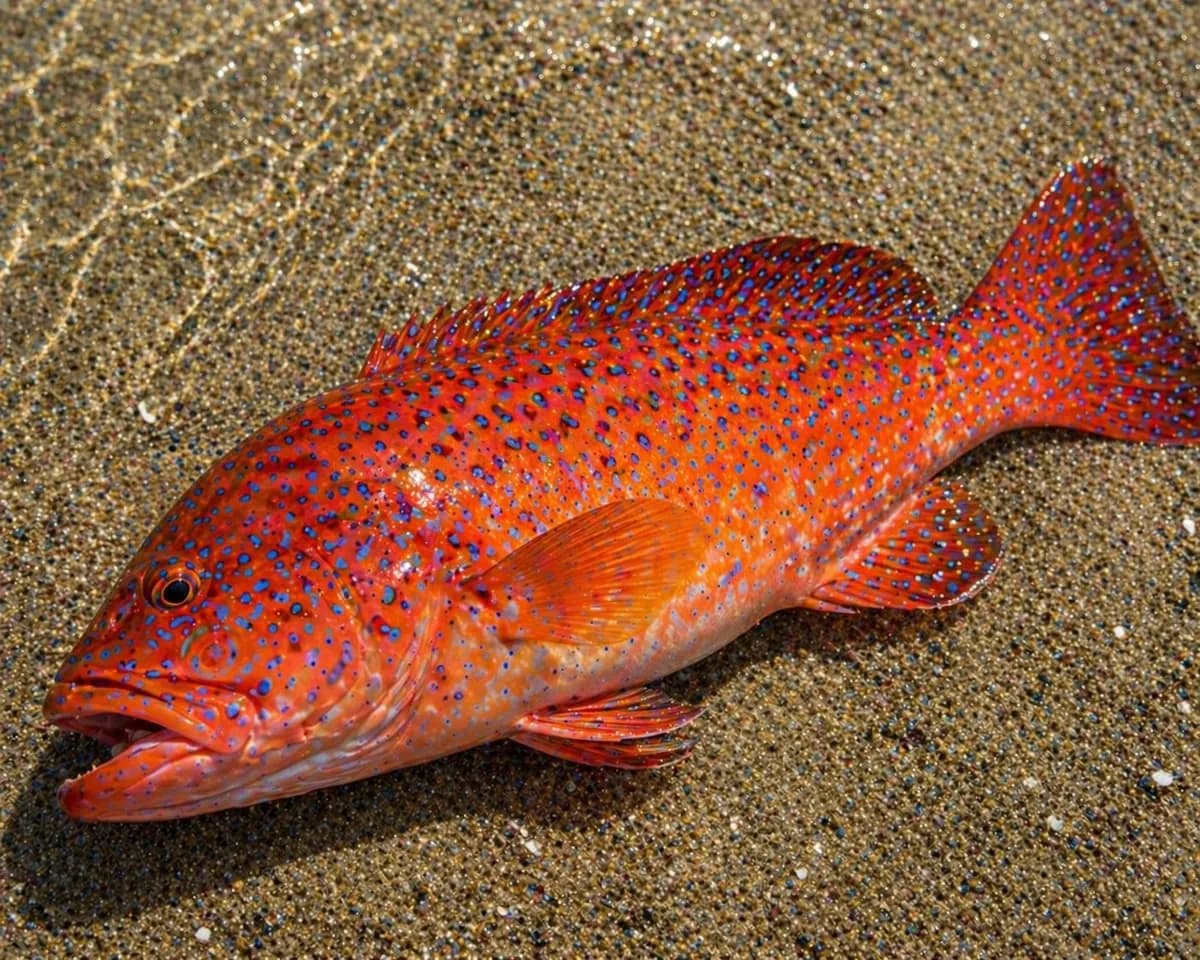
Coral Trout (Plectropomus leopardus)

Four reasons to choose local

Health

  • Line-caught, no chemical exposure
  • Pristine GBR waters with strict pollution controls
  • Premium-grade lean protein

Economy

  • Cornerstone of Cairns, Mackay, and Townsville fleets
  • Major export to Hong Kong premium markets
  • Reef Line Fishery is QLD's most valuable

Environment

  • Line-caught only — no nets, no trawling near reefs
  • Highly regulated within Great Barrier Reef Marine Park
  • ITQ quota, size limits, and seasonal closures

Taste

  • Considered the world's finest reef table fish
  • Iconic Cantonese steamed presentation
  • Premium pan-roast or whole-fish work equally

Sourcing

Coral Trout is exclusively wild-caught.

Where it comes from

Coral Trout is most strongly associated with these 4 Australian regions:

How it's caught or grown

Production volume (last 5 years)

Total Australian annual production of Coral Trout — wild-catch + aquaculture combined. Sourced from ABARES Australian Fisheries and Aquaculture Statistics.

Production volume (tonnes)Source: ABARES
20198002020700202175020228002023820
primary estimate

How it's managed

Quota:1,300tSize limit:38cm (QLD)

QLD Coral Reef Fin Fish Fishery quota; closed seasons during spawning aggregations.

Nutrition (per 100g)

How Coral Trout compares to imported equivalents on the headline nutrients consumers care about.

Protein23.1g20.4g
Selenium51µg34µg
Iodine36µg22µg
Omega-3 Fatty Acids380mg220mg
Vitamin B122.6µg1.7µg

Contaminants & price

Australian Coral Trout compared to imported equivalents on mercury, antibiotic residues, and typical retail price. Unflagged metrics come from primary government sources (FSANZ, ABARES); synthesised numbers carry a visible tag.

Metric
Australian
Imported
Mercury (mg/kg)
0.18
0.3
Antibiotic residues
none
rare
Typical retail price (2026 Q1)editorial
$70–120/kg
$35–60/kg

From harvest to plate

Days-to-plate is one of the strongest arguments for buying Australian. Here's the typical timeline for Coral Trout.

  1. Step 1
    Line catch on the GBR
    Day 0 days
  2. Step 2
    Live transport in tanks
    0–3 days
  3. Step 3
    Wholesale (often live to export)
    1–4 days
  4. Step 4
    Retail / restaurant (live)
    2–5 days
  5. Total
    Total AUS days to plate (live)
    2–5 days

Seasonality

When to enjoy Coral Trout at its peak.

Janavailable
Febavailable
Maravailable
Apravailable
Mayavailable
Junavailable
Julavailable
Augavailable
Sepavailable
Octavailable
Novavailable
Decavailable
Peak Good Available Off-season

How to cook it

Four go-to preparations for Coral Trout that respect the fish — short cooks, clean flavours, no over-doing it.

Steamed (Cantonese)

Whole fish, ginger + spring onion, soy + hot oil.

Pan-roast (skin on)

Score skin, 5 min skin side, finish in oven 4 min.

Whole BBQ

Stuffed with lemongrass, banana leaf wrap, hot grill 8 min each side.

Sashimi

Premium fillets only — slice thin, ponzu + grated daikon.

Full recipe: Cantonese Steamed Coral Trout

Australian vs imported — at a glance

Line-caught Coral Trout from the Great Barrier Reef vs imported grouper/reef fish, sometimes cyanide-caught.

Australia
Coral Trout (GBR)
Queensland
🇦🇺 Local
Catch methodLine-only
MercuryLow
Marine park protectionGBR Marine Park
Stock statusQuota-managed
Price per kg (fillet)~$80
Overall rating: Australian Coral Trout scores 9.5/10 — premium reef fish under world-class management.
vs
SE Asia
Imported Reef Fish
Indonesia / Philippines
Catch methodCyanide / dynamite reported
MercuryVariable
Marine park protectionVariable
Stock statusOften unregulated
Price per kg (fillet)~$45
Overall rating: Imported reef fish scores 4.2/10 — environmental and food-safety concerns.

Read the full comparison →

Look-alikes & how to tell them apart

Products often confused with or substituted for Australian Coral Trout — and what to look for instead.

Imported reef fish (Indonesia, Philippines)
Why confused: Sometimes cyanide-caught; sold as generic 'reef fish' or 'grouper'.
How to tell: Australian Coral Trout is line-only and fully traceable. Imported reef fish often has documented cyanide-fishing concerns (EJF reports).
Imported Asian grouper varieties
Why confused: Same family (Serranidae); marketed under similar premium framing.
How to tell: Coral Trout (Plectropomus leopardus) is endemic to the Indo-Pacific and has distinctive blue-spotted red colouring.

The risks of the imported version

Typically imported from: Indonesia, Philippines, Solomon Islands — sometimes cyanide-caught

  • Cyanide fishing remains documented in parts of SE Asia
  • Reef destruction with dynamite or aquarium-trade methods
  • Mislabelling — ‘coral trout’ is sometimes other grouper species

See the full case against imported seafood →

How to buy it

🔍
Look for:

Ask for "Australian Coral Trout from the Great Barrier Reef" — check origin papers if buying premium.

From 1 July 2026, every restaurant menu in Australia must show A (Australian), I (Imported), or M (Mixed) for each seafood dish. Read the law →

Key operators, co-ops & peak bodies

The businesses, co-operatives, and industry bodies behind Australian Coral Trout.

Historical timeline

  1. 2003
    GBR Marine Park Zoning Plan substantially expands no-take zones.
  2. 2009
    QLD Coral Reef Fin Fish Fishery introduces ITQ system.
  3. 2020
    China export disruption reorients the industry to domestic and Hong Kong markets.

Sources for this page

  1. SAFS 2024 Fisheries Research and Development Corporation (2024)
  2. EJF cyanide fishing reports Environmental Justice Foundation (2022)

Explore other Australian species

Scroll to browse. Each card links to a full species profile.