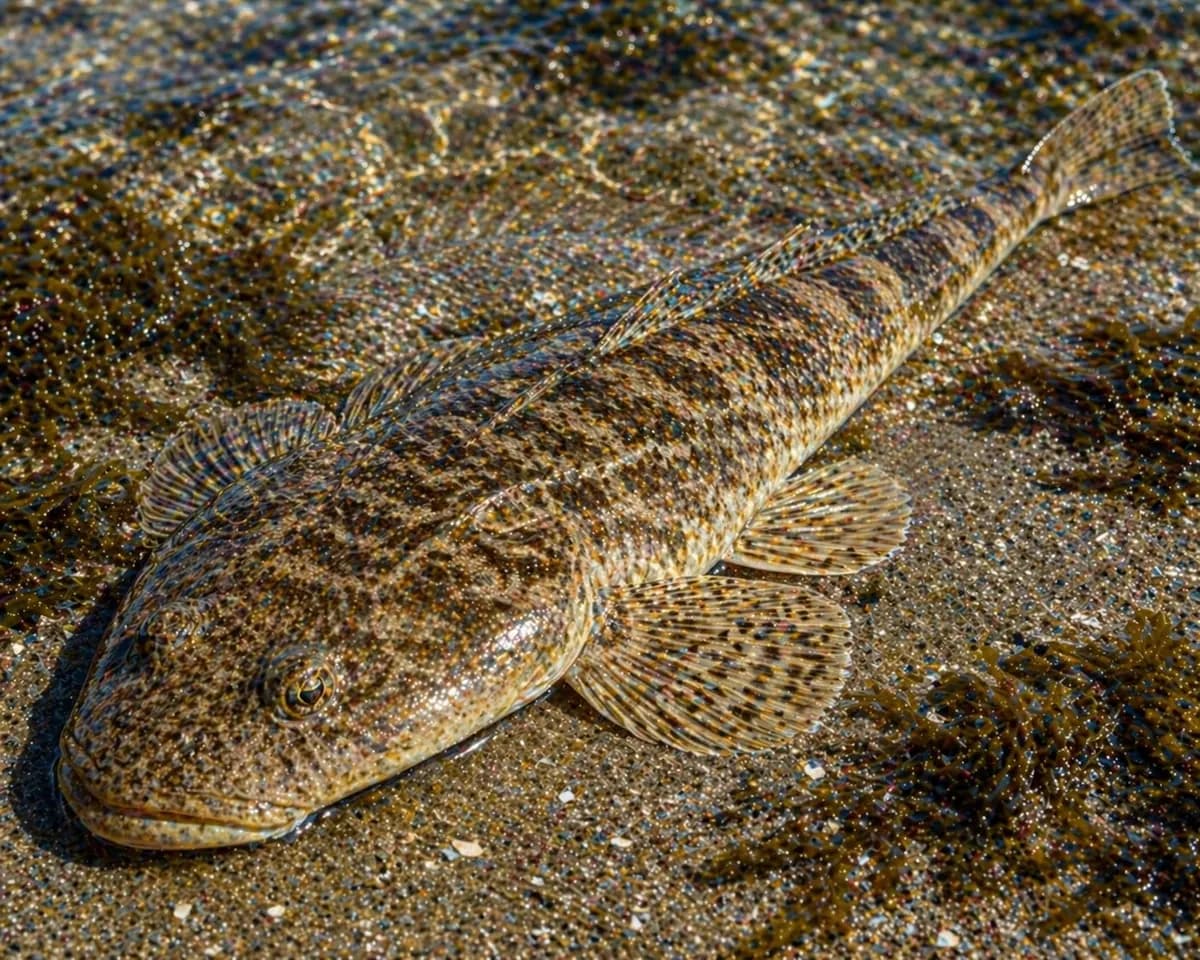
Tiger flathead is the species behind much of Australia's classic fish-and-chips — wild-caught off NSW, VIC, and TAS in well-managed offshore trawls.
Tiger Flathead is exclusively wild-caught.
Tiger Flathead is most strongly associated with these 5 Australian regions:
Total Australian annual production of Tiger Flathead — wild-catch + aquaculture combined. Sourced from ABARES Australian Fisheries and Aquaculture Statistics.
How Tiger Flathead compares to imported equivalents on the headline nutrients consumers care about.
Australian Tiger Flathead compared to imported equivalents on mercury, antibiotic residues, and typical retail price. Unflagged metrics come from primary government sources (FSANZ, ABARES); synthesised numbers carry a visible tag.
Days-to-plate is one of the strongest arguments for buying Australian. Here's the typical timeline for Tiger Flathead.
When to enjoy Tiger Flathead at its peak.
Four go-to preparations for Tiger Flathead that respect the fish — short cooks, clean flavours, no over-doing it.
Cold lager + flour + cornflour. 180°C oil, 4 min. Sea salt.
Flour-dust, butter + lemon, 2 min each side. Don't overcook.
Lemon, dill, butter, white wine, foil parcels, 180°C 12 min.
Egg + panko, shallow fry 2 min each side, tartare sauce.
Full recipe: Beer-battered Flathead & Chips →
Wild Australian Tiger Flathead vs imported basa, swai, or generic ‘flake’ — often the substitute for true Aussie flathead at takeaways.
Products often confused with or substituted for Australian Tiger Flathead — and what to look for instead.
Typically imported from: Vietnam, Thailand (often as basa, swai, or ‘flake’)
Ask for "Australian Tiger Flathead" or "Dusky Flathead" — never accept anonymous “flake”.
From 1 July 2026, every restaurant menu in Australia must show A (Australian), I (Imported), or M (Mixed) for each seafood dish. Read the law →
The businesses, co-operatives, and industry bodies behind Australian Tiger Flathead.
Scroll to browse. Each card links to a full species profile.
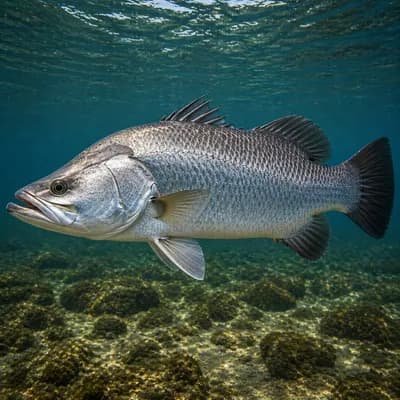
Northern icon
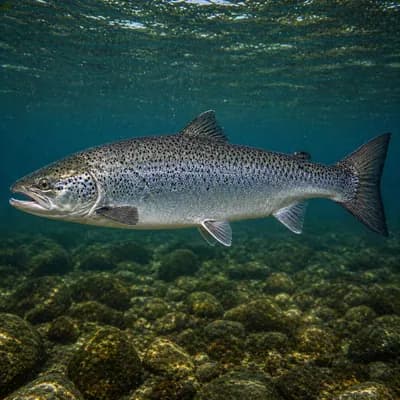
Tasmanian aquaculture
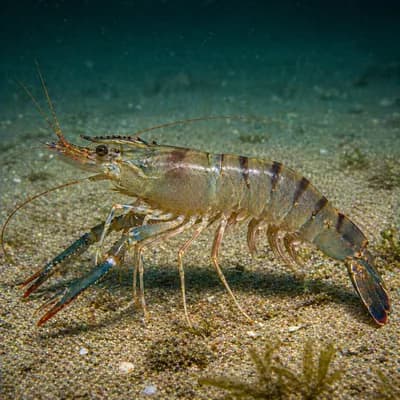
Spencer Gulf premium
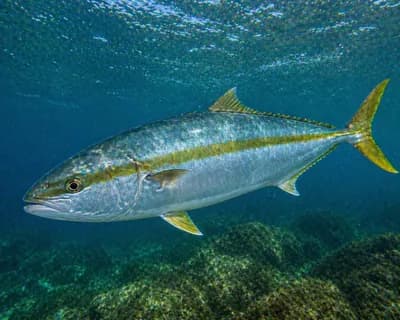
Recovery story
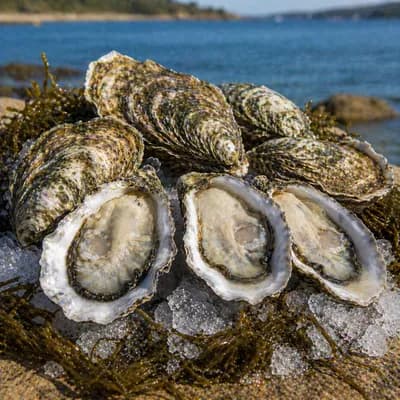
Three native varieties
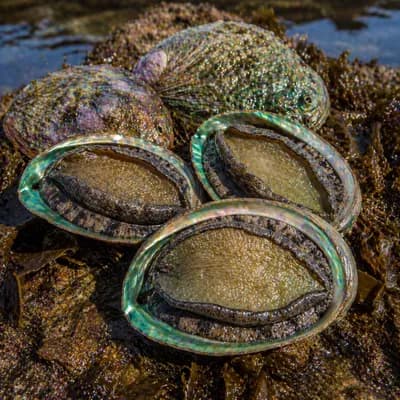
Diver-caught
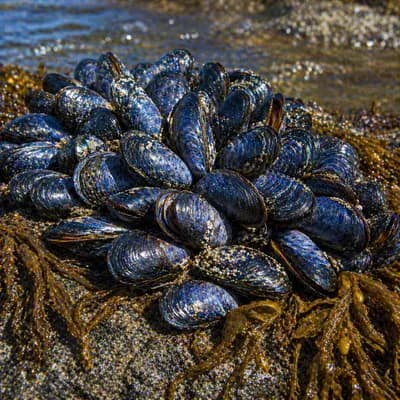
Rope-grown
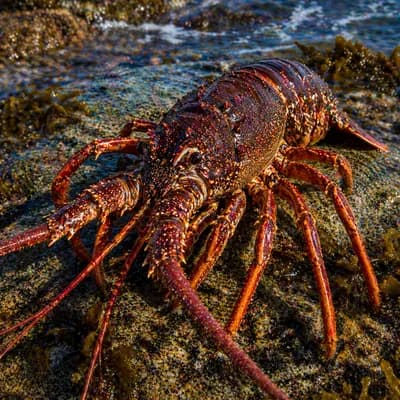
Premium wild-caught
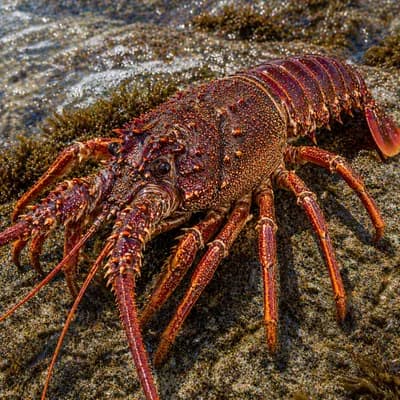
World's first MSC fishery
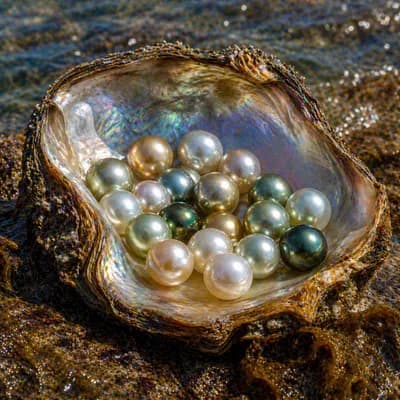
Cultural & industry icon — non-food product
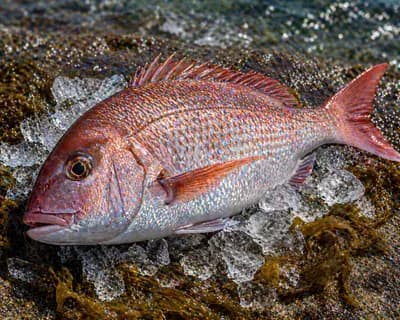
The pink king of the east coast
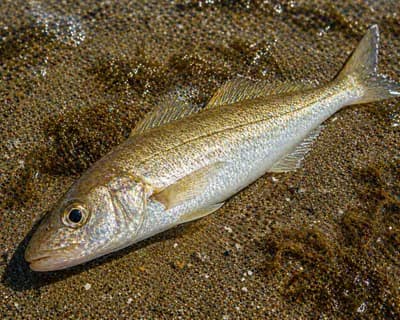
South Australia's beloved table fish
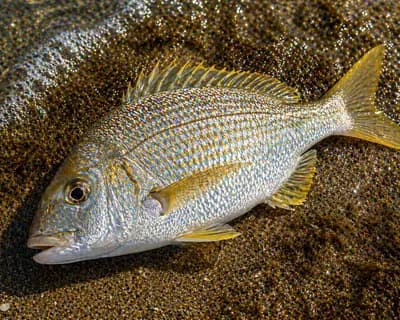
East coast estuary classic
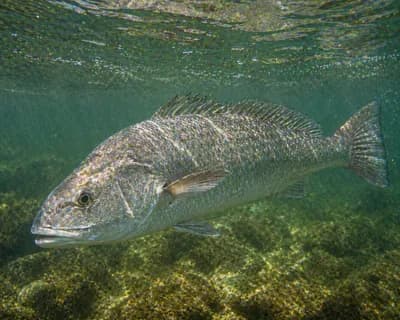
The silver giant
The southern hamachi
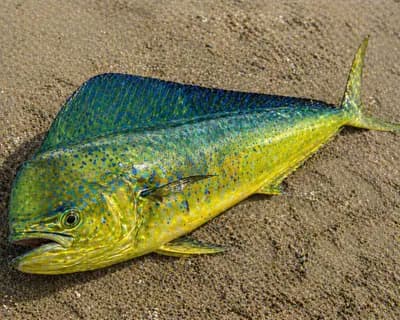
Tropical pelagic blade
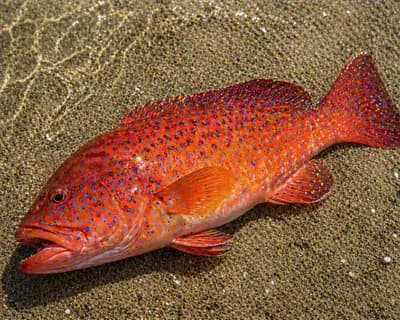
Reef royalty
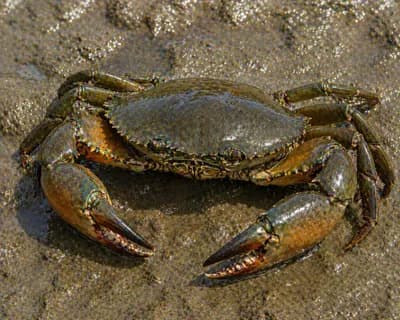
Mangrove-king of the tropics
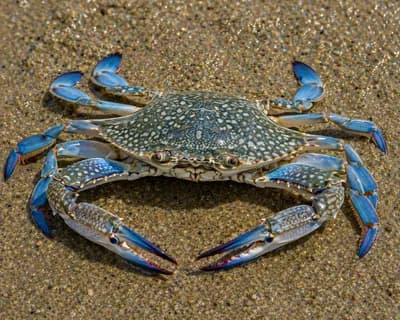
The summer crab
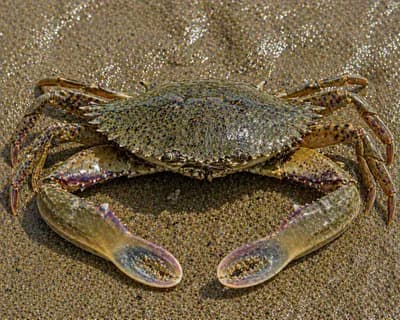
The frog-like delicacy
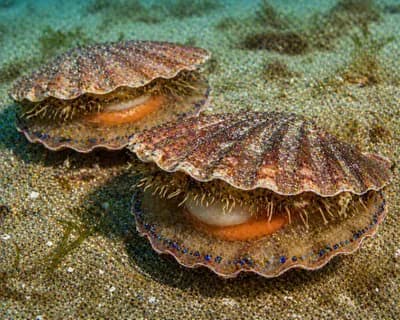
Meaty Bass Strait beauties
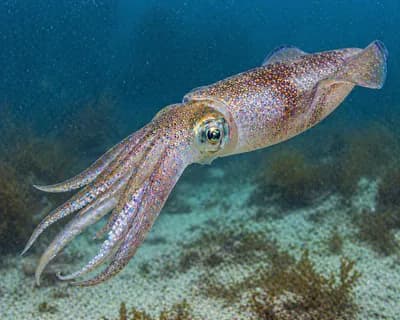
The premium squid
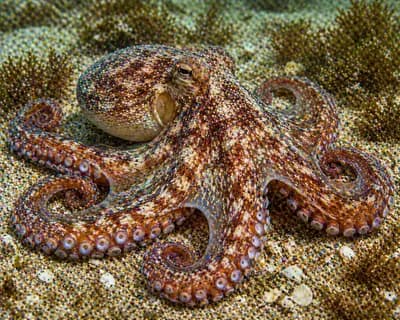
Pot-caught Australian
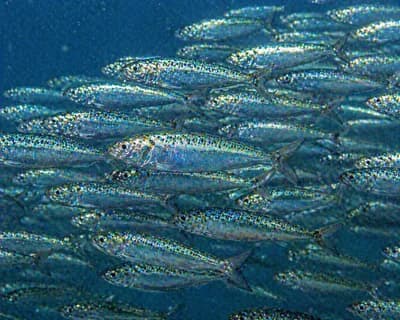
The omega-3 powerhouse