Australian Waters
Featured Australian Species
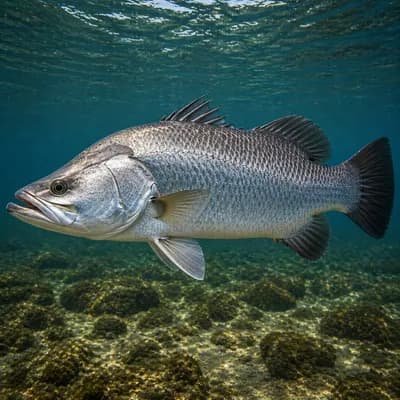
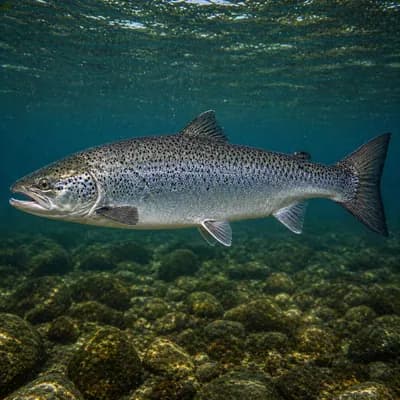
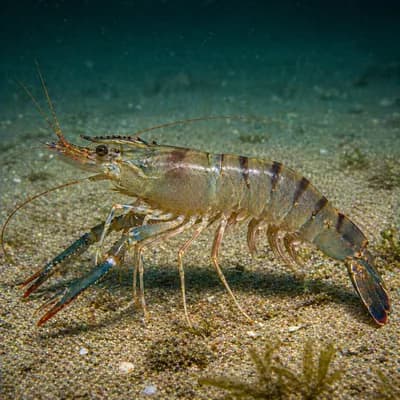
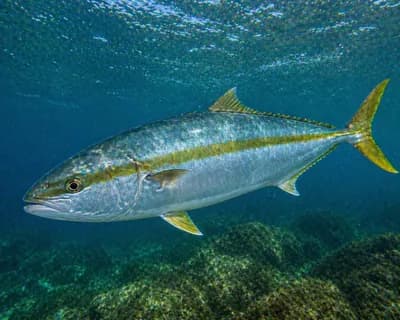
From the warm tropical waters of the north to the cool southern oceans — explore the species that come from Australian waters. Each has its own profile page.
Australia has some of the world's cleanest, most sustainably managed waters. Discover why choosing Australian seafood means choosing better nutrition, a healthier planet, and a stronger local economy.
Australian seafood is harvested from pristine waters, resulting in higher omega-3 levels, less mercury exposure, and superior freshness compared to imported alternatives.
Australia enforces some of the world's strictest fisheries regulations, ensuring sustainable practices that protect marine ecosystems for future generations.
Every dollar spent on Australian seafood directly supports coastal fishing communities, creates local jobs, and keeps money circulating in the Australian economy.
We make the case for Australian seafood across health, economy, environment, and taste — and document the risks of imported product across food fraud, antibiotics, forced labour, environmental destruction, and air-freight emissions. Every claim is sourced.
Pick a species and see how it stacks up. Each comparison has its own dedicated page — browse all comparisons.
From the warm tropical waters of the north to the cool southern oceans — explore the species that come from Australian waters. Each has its own profile page.
Indigenous fishing, commercial fleets, aquaculture, processors, and tuna ranching — each with their own dedicated page.
Aboriginal and Torres Strait Islander peoples have managed Australia's coastal waters for millennia. Customary, cultural, and growing commercial fisheries are central to the future of Australian seafood.
$3BFrom small family trawlers in Spencer Gulf to highly regulated demersal fleets in WA, Australian commercial fisheries operate under science-based quota systems among the world's most rigorous.
60%Australia's aquaculture sector is the fastest-growing segment of seafood production — concentrated in Tasmania, SA, and tropical northern farms. World-class biosecurity and feed standards.
~$2BWhat happens between the boat and your plate decides freshness, flavour, and food safety. Australian processors operate under FSANZ standards that ban many additives common overseas.
~6,000tPort Lincoln, SA is the world capital of Southern Bluefin Tuna ranching — wild juveniles are towed in cages from the Bight to feeding pens, then harvested for the global sashimi market.
Australian seafood is shaped by where it comes from. Browse a few key areas below, or see them all.
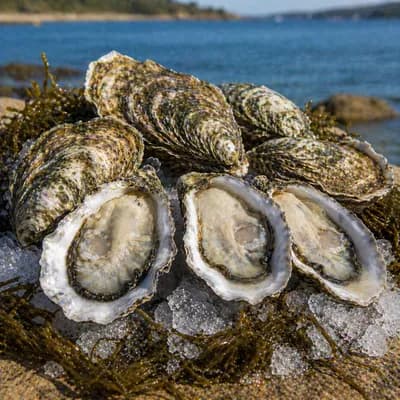
NSW's coastline is a chain of productive estuaries — home to the iconic Sydney Rock Oyster — alongside a substantial wild-catch fleet for prawns, snapper, and kingfish.
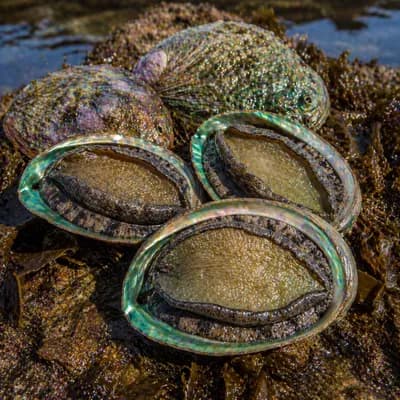
Victoria's southern shores meet Bass Strait — a productive zone for southern rock lobster, scallops, abalone, and a long history of estuarine fishing.
From the Great Barrier Reef to Cape York and the Torres Strait, Queensland's tropical fisheries cover prawns, mud crab, coral trout, and a strong Indigenous fishing presence.
South Australia is home to Spencer Gulf King Prawns, Coffin Bay oysters, and the global capital of Southern Bluefin Tuna — Port Lincoln. SA produces roughly 35% of Australia's wild-capture seafood by value.
One of NSW's oldest oyster-growing rivers, the Hawkesbury supplies premium Sydney Rock Oysters to the Sydney market with deep estuarine flavour.
A sheltered drowned-river-valley estuary north of Sydney producing prized Sydney Rock Oysters and supporting recreational fishing.
Wallis Lake on the NSW Mid North Coast is one of Australia's most important oyster-producing estuaries — home to a significant Sydney Rock Oyster industry.
A small Mid North Coast estuary with a long oyster-growing history and a strong recreational fishing economy.
Two practical guides — for hospitality operators preparing for the 1 July 2026 labelling standard, and for consumers who want to find Australian seafood every time.
Restaurants, cafés, fish-and-chip shops, food trucks, caterers — everything you need to comply with the new A/I/M labelling rule (and turn it into a marketing asset).
For consumersPractical scripts, label-reading guidance, the apps to use, and 10 Aussie alternatives to common imported products.