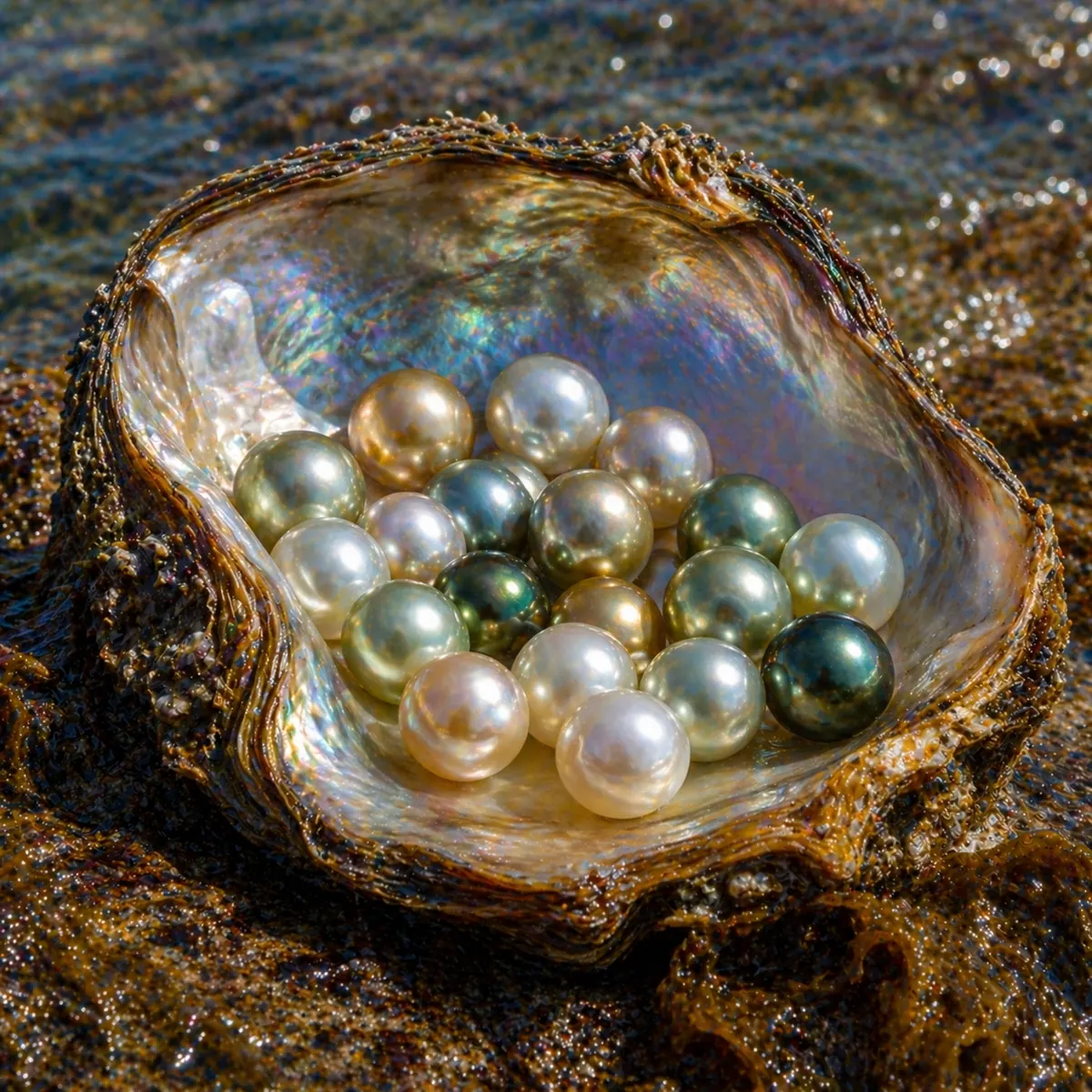
Australia is the world's leading source of South Sea pearls — cultured from Pinctada maxima oysters in the Kimberley region of WA. Pearls themselves are a non-food product; the adductor muscle (pearl meat) is occasionally sold as a delicacy but no widely-cited Australian-vs-imported nutrition dataset exists for it. The pearling industry has deep Indigenous, Japanese, Malay and Filipino heritage and remains an important employer in remote WA.
Australian South Sea Pearls is exclusively farmed (aquaculture).
Australian South Sea Pearls is most strongly associated with these 3 Australian regions:
When to enjoy Australian South Sea Pearls at its peak. (Farmed product is generally available year-round, with quality peaks in cooler months.)
Four go-to preparations for Australian South Sea Pearls that respect the fish — short cooks, clean flavours, no over-doing it.
Slice meat thin, dress with citrus and ponzu.
Hot pan, 30 sec each side, finish with brown butter + lemon.
Paper-thin, drizzle with olive oil + lemon + sea salt + pink peppercorns.
Pinctada maxima South Sea Pearls farmed off Broome vs imported Akoya, Tahitian, and Chinese freshwater pearls.
Typically imported from: Japan (Akoya), China (freshwater), French Polynesia (Tahitian)
Look for "Australian South Sea Pearl" or Pinctada maxima — and ideally Broome / Kimberley provenance.
From 1 July 2026, every restaurant menu in Australia must show A (Australian), I (Imported), or M (Mixed) for each seafood dish. Read the law →
The businesses, co-operatives, and industry bodies behind Australian Australian South Sea Pearls.
Scroll to browse. Each card links to a full species profile.
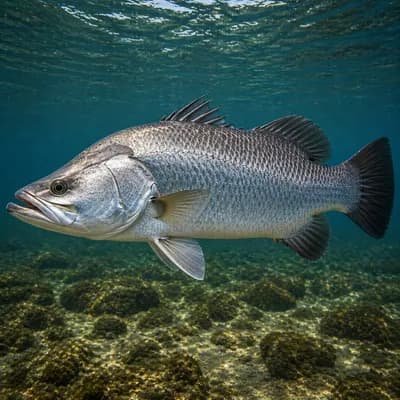
Northern icon
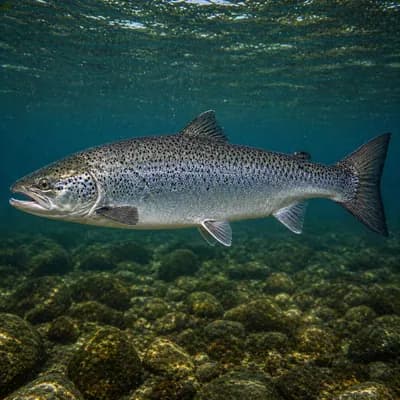
Tasmanian aquaculture
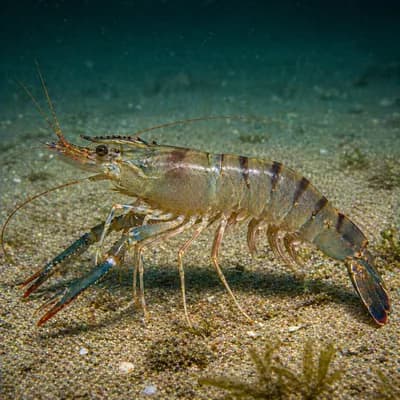
Spencer Gulf premium
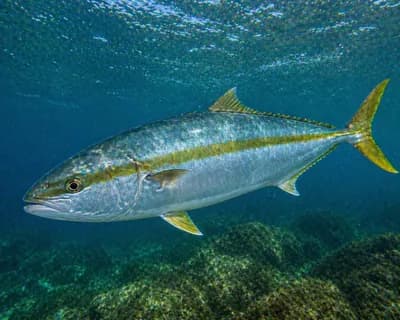
Recovery story
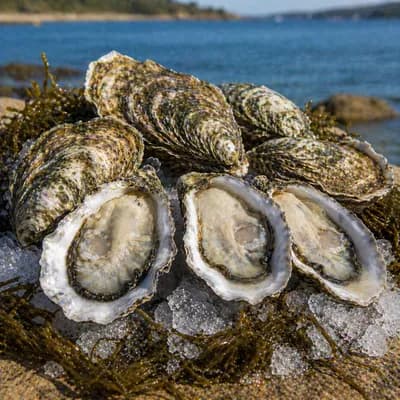
Three native varieties
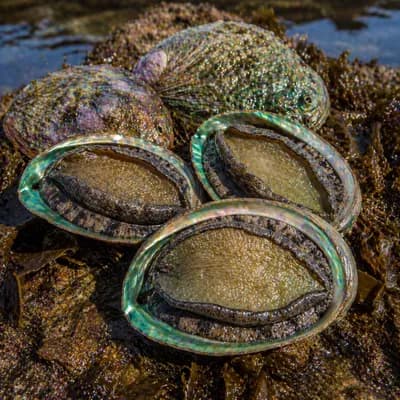
Diver-caught
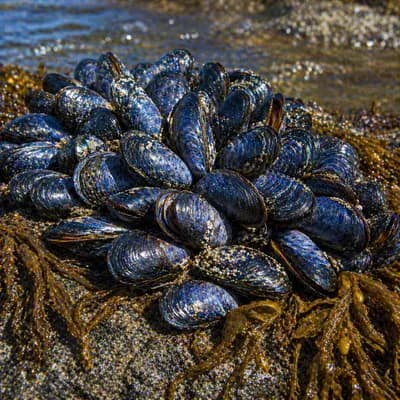
Rope-grown
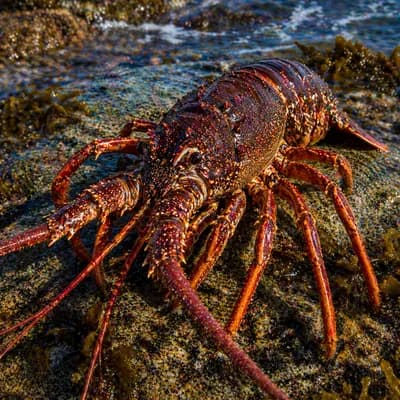
Premium wild-caught
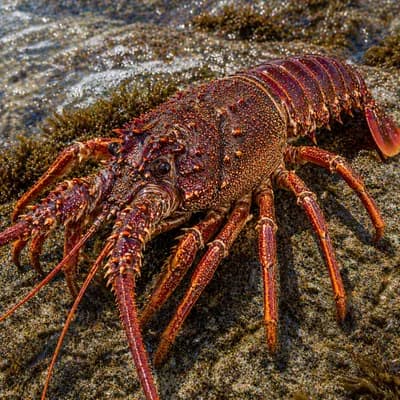
World's first MSC fishery
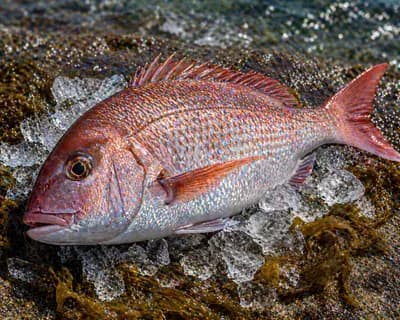
The pink king of the east coast
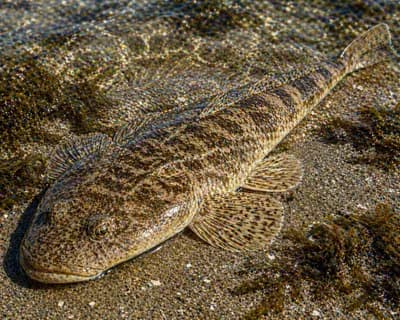
Australia's favourite fish-and-chips
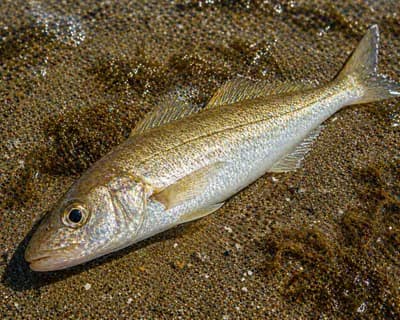
South Australia's beloved table fish
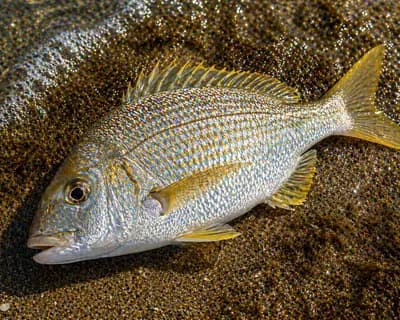
East coast estuary classic
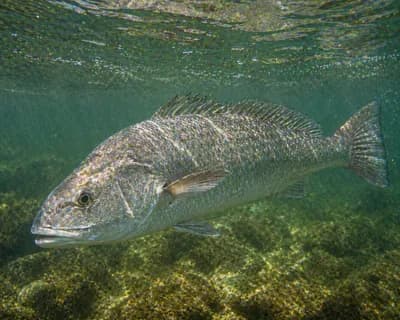
The silver giant
The southern hamachi
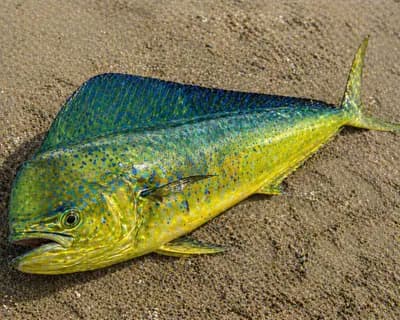
Tropical pelagic blade
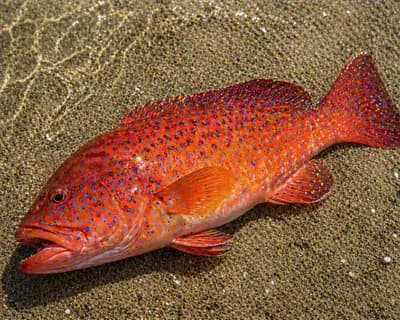
Reef royalty
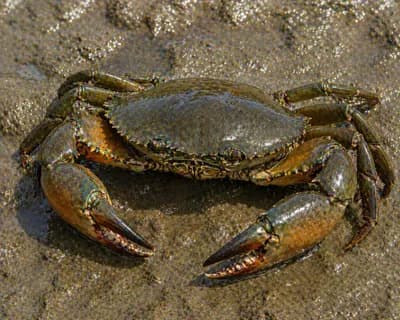
Mangrove-king of the tropics
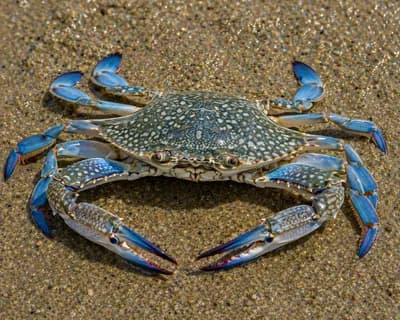
The summer crab
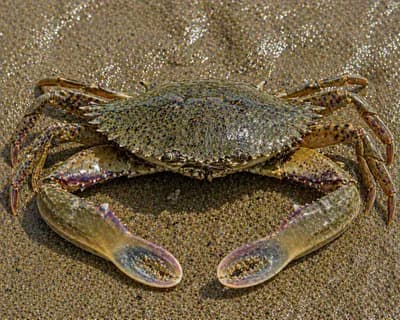
The frog-like delicacy
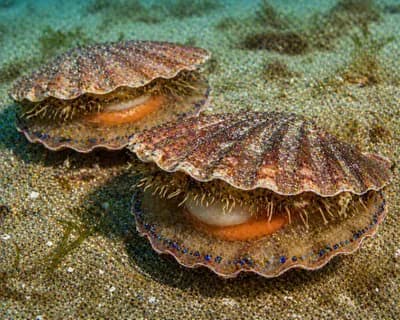
Meaty Bass Strait beauties
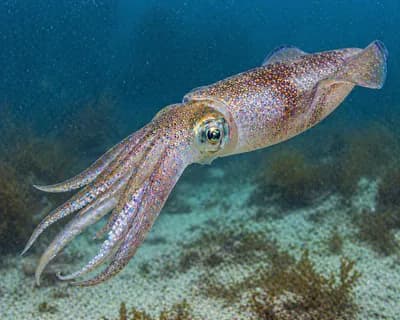
The premium squid
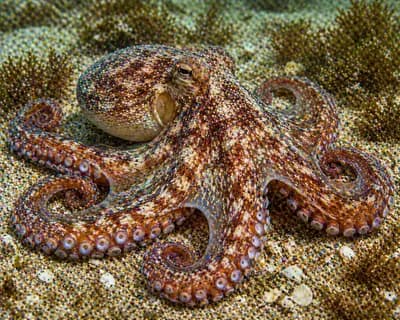
Pot-caught Australian
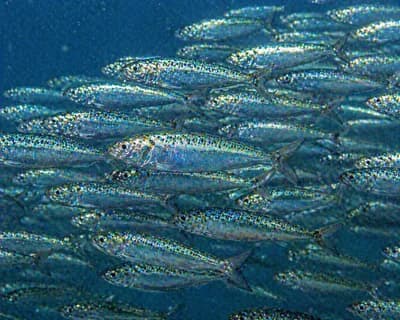
The omega-3 powerhouse